 Natural Rubber
Heavy Duty Anti Vibration Mounts
- Mount Type
- Pad
- Load Capacity
- 1000 kg
- Thread Size
- M16
₹3,500per piece · MOQ 10 Piece
Manufacturer since day one — you deal directly with the plant, not a marketplace
Manufacturer · MIDC Ambad, Nashik
Anti-vibration mounts, diaphragms, gaskets, seals, impellers and rubber-to-metal bonded parts — compounded, tooled and moulded under one roof. Send a drawing or the worn part itself; we will specify the compound and cut the die in-house.
137
Catalogued components
2,000
sq. m. plant, MIDC Ambad
8
Elastomers compounded in-house
60 T
Hydraulic moulding capacity
Component supplier to
Crompton Greaves Limited
Electrical & Motors
Nashik, Maharashtra
Balkrishna Industries Limited
Off-Highway Tyres
Walunj, Aurangabad
Otsuka Chemical (India) Pvt. Ltd.
Speciality Chemicals
Jaipur, Rajasthan
Suyog Gurbaxani Funicular Ropeways Pvt. Ltd.
Ropeways & Transit
Mumbai / Nagpur
Osaw Agro Industries Pvt. Ltd.
Agricultural Machinery
Ambala, Haryana
Product range
Anti-Vibration Mounts & Isolators29Machine mounts, isolators and dampers that cut noise, shock and vibration at source. Rubber Seals & O-Rings18Vacuum, pneumatic, hydraulic and high-temperature sealing elements in every elastomer.
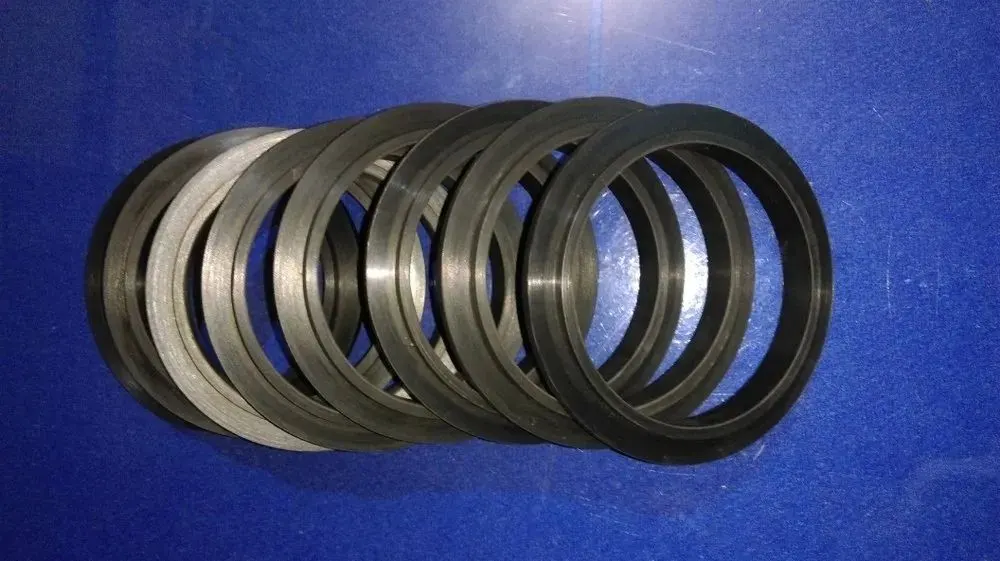 Industrial Gaskets11Ring, sheet-cut, PTFE, cork-bonded and food-grade gaskets, cut and moulded to drawing.
 Rubber & PTFE Diaphragms13Pump, dosing and actuator diaphragms — including PTFE-bonded for aggressive chemicals.
 Rubber Rollers & Wheels19Rubber-covered rollers, drive wheels and shafts, re-lagged or built new on your core.
 Rubber Impellers6Flexible winery, marine and chemical-duty impellers in food-grade compounds.
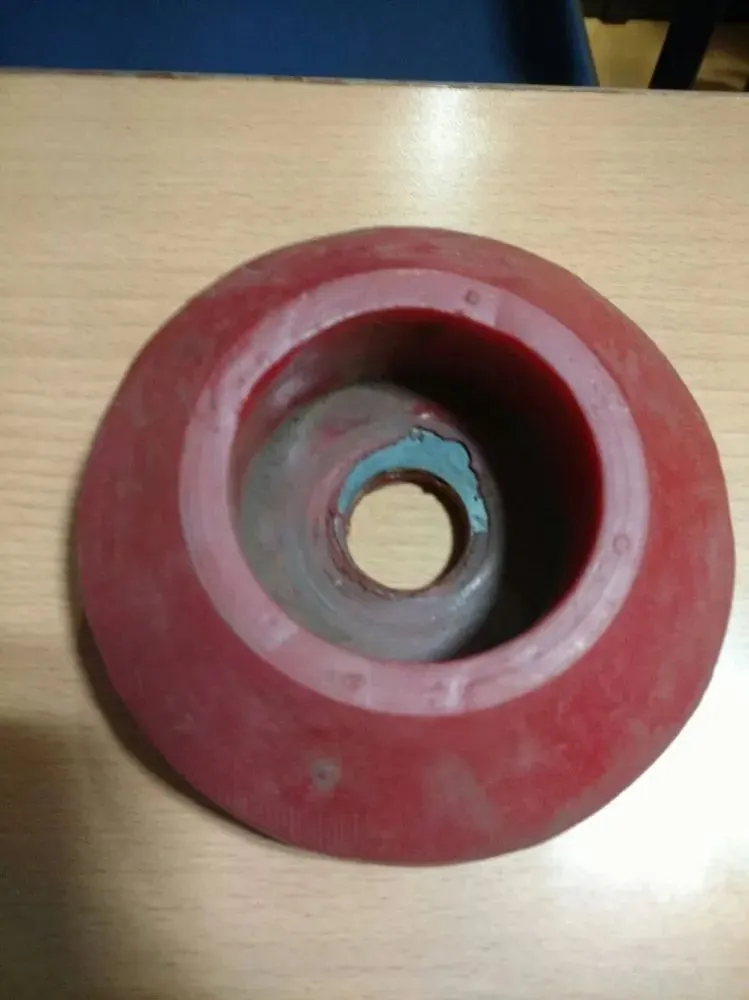 Masking Plugs, Caps & Bumpers13High-temperature masking for powder coating, plating and painting, plus protective caps.
 Rubber-to-Metal Bonded Components7Bonded bushes, buffers and assemblies — chemical bonding done in-house with our own dies.
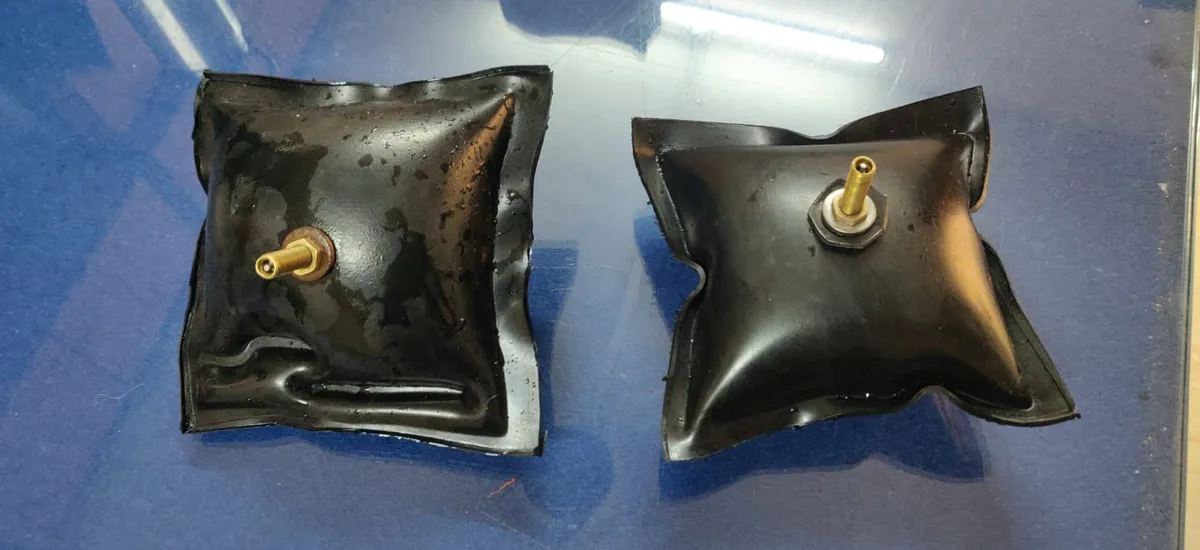 Inflatable Bladders & Air Bags4Pneumatic bladders and air bags for clamping, lifting, sealing and winding applications.
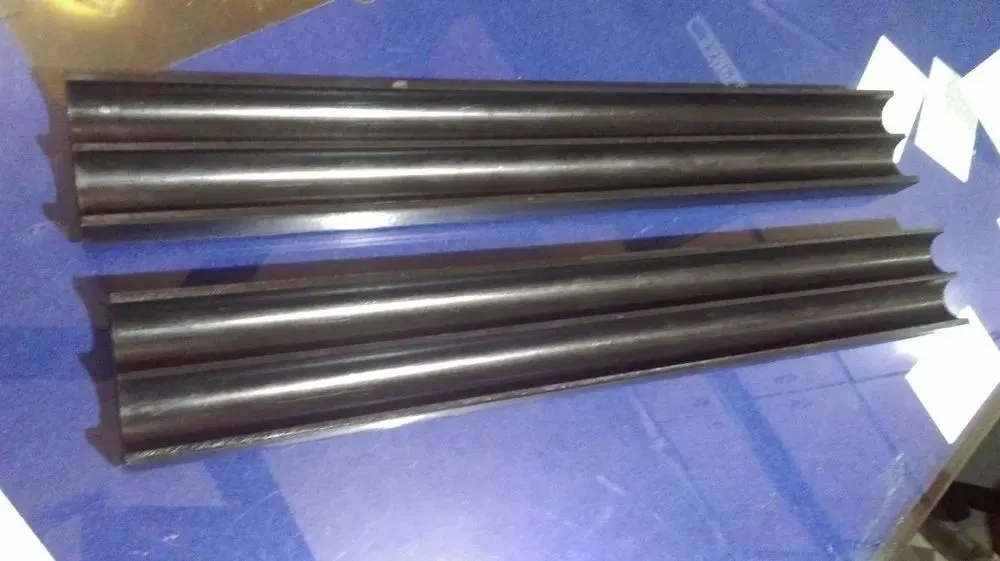 Sheets, Liners, Tubes & Profiles6Anti-vibration sheet, ropeway liners, extruded cords, tubes and custom profiles.
 Custom Moulded Rubber Components11Made-to-drawing moulded parts in NBR, EPDM, Silicone, Viton, Neoprene and Natural rubber.
Why buyers switch to us
Most rubber suppliers outsource either the compound or the tooling. We do neither. That is why a first sample takes days, why we can tune hardness to your load instead of selling you a stock grade, and why a repeat order does not restart the whole development cycle.
See the plant and machineryDies designed and cut on site — first samples in days, not weeks, and no external tool-room mark-up passed on to you.
Our own mixing mill means hardness, oil and temperature resistance are set for your application, not picked off a shelf.
Supplying Crompton Greaves, Balkrishna Industries, Otsuka Chemical and Suyog Ropeways — audited, repeat-order relationships.
A single replacement diaphragm or a scheduled monthly quantity. Low MOQs on most catalogue lines.
Send a worn part — we measure it, identify the compound and reproduce it. No drawing required.
No trading layer, no marketplace commission. You talk to the people who mould the part.
Free engineering tools
Two calculators we built because we kept answering the same questions on the phone. No sign-up, no email gate — use them, then send us the result.
Enter machine weight, running speed and mount count. Get the required static deflection, system natural frequency and predicted isolation efficiency — plus the mounts from our range that fit.
Open the calculator
Pick the media, temperature range and duty. It ranks the eight elastomers we mould, explains why each passed or failed, and warns you about the classic mis-specifications.
Open the selector
Frequently ordered
Natural Rubber Nitrile (NBR)Nitrile (NBR)
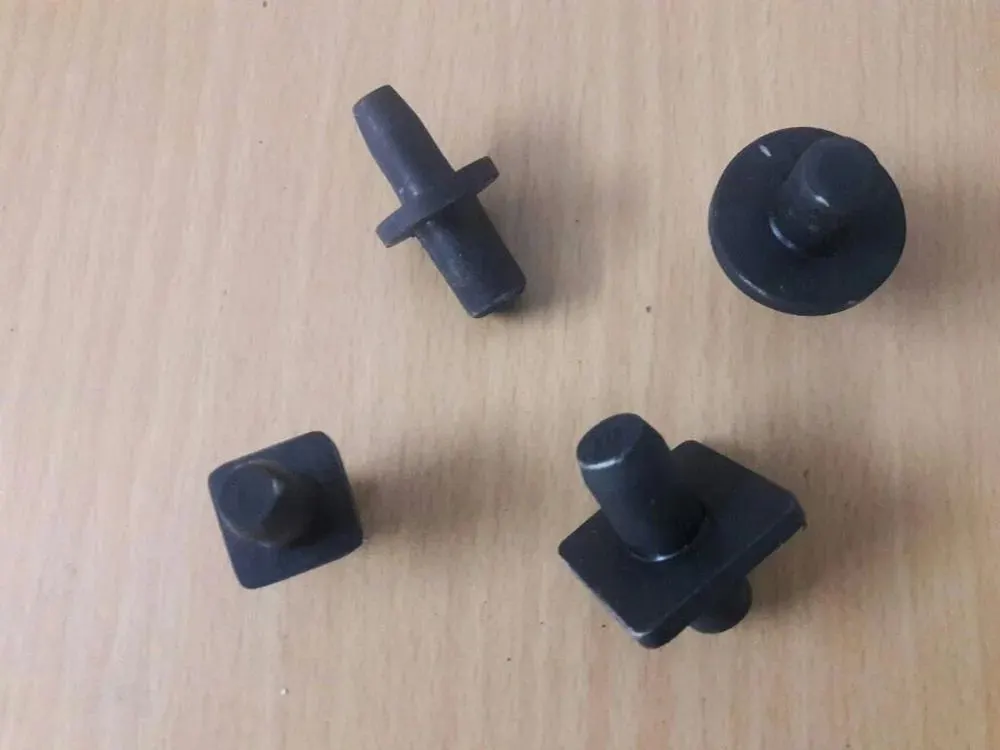 Nitrile (NBR)
 Nitrile (NBR)
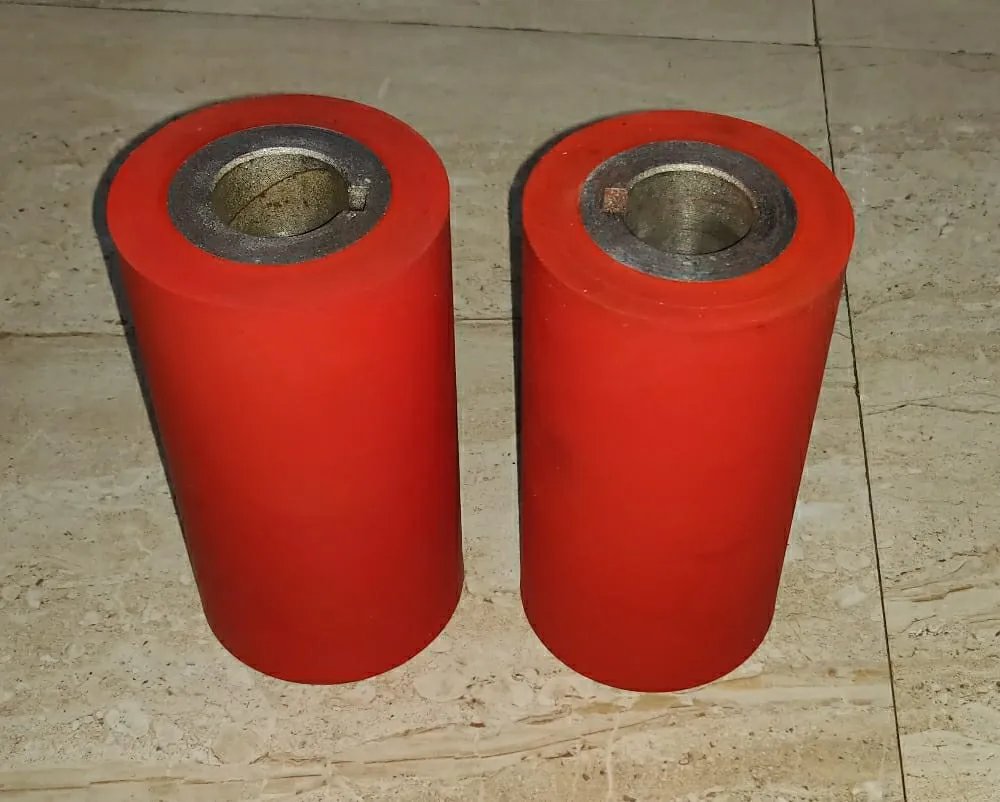 Nitrile (NBR)
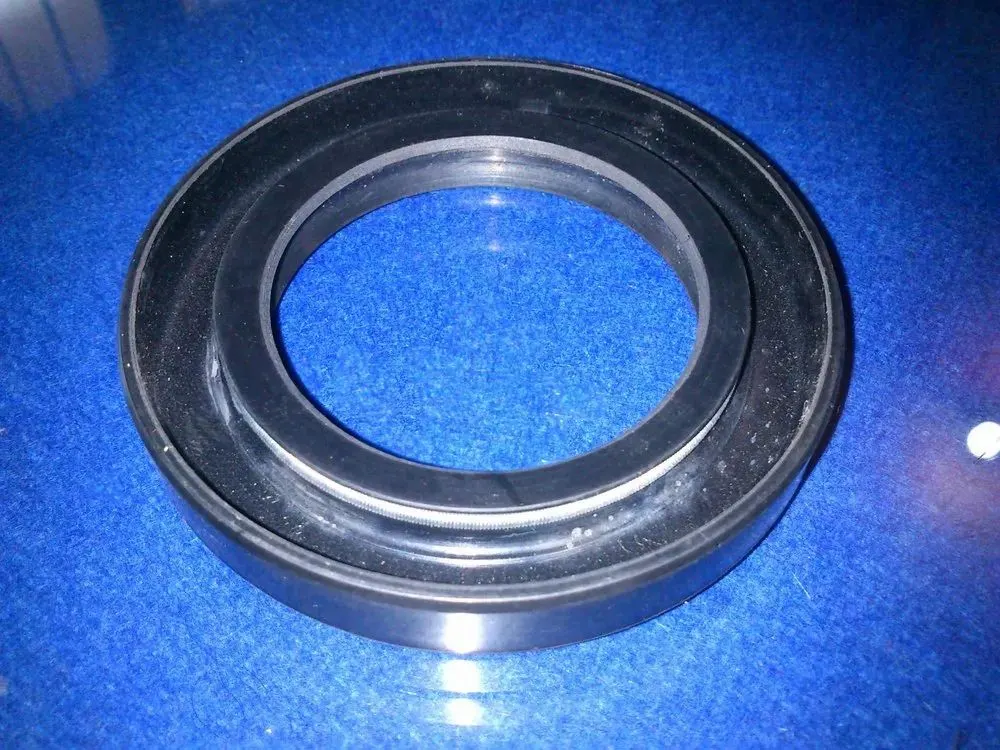 Nitrile (NBR)
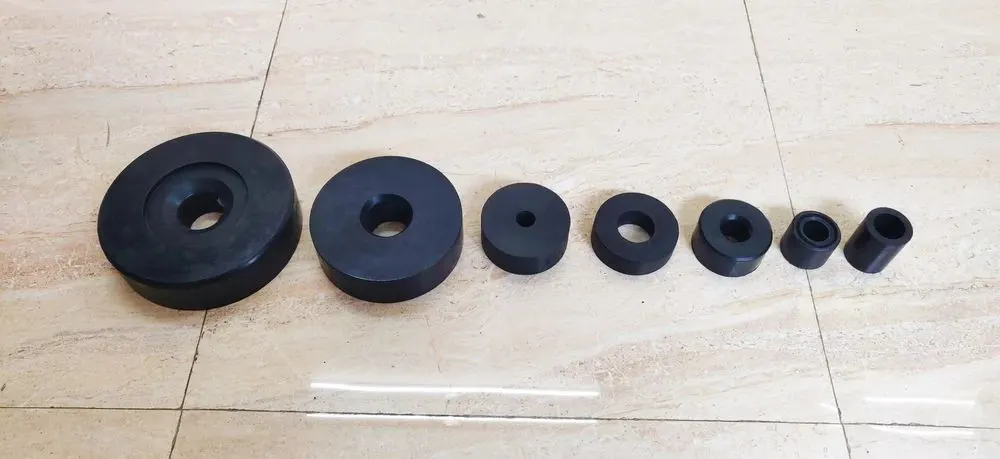 Representative imageNitrile (NBR)
Industries served
Diaphragms, valve plates, impellers and seals for positive-displacement, dosing and submersible pumps — usually reverse-engineered from a failed part and improved on compound.
Components for this sectorFood-grade nitrile impellers, Garolla gaskets and seals for wineries, dairies and beverage plants — the product family this business is best known for around Nashik.
Components for this sectorViton and PTFE-faced components for aggressive media, where an under-specified nitrile part fails in weeks and takes the plant down with it.
Components for this sectorWear liners, sheave linings and bonded mounts for funicular ropeways and conveying plant — supplied to Suyog Gurbaxani Funicular Ropeways.
Components for this sectorAnti-vibration mounts, insulating pads and enclosure gaskets for motors, transformers and panels — a line developed over years of supply to Crompton Greaves.
Components for this sectorEngine mounts, bonded bushes and vibration dampers for gensets, compressors and off-highway equipment.
Components for this sectorSilicone and nitrile masking plugs, caps and tapes that survive repeated powder-coating and plating cycles instead of being scrapped after one pass.
Components for this sectorRubber-covered rollers, winding bladders and nip components for polyester film, textile and packaging lines.
Components for this sectorNeoprene impellers, deck mounts and weather-resistant sealing for marine and offshore equipment.
Components for this sectorMade-to-drawing moulded components for machine builders, job shops and maintenance teams — from a single replacement part to scheduled monthly quantities.
Components for this sectorCompounds
Hardness, oil resistance and temperature range are set for your duty. Below is the honest trade-off for each — including what it is bad at.
Nitrile (NBR)
−30 °C to +110 °C
The workhorse oil-resistant elastomer. Excellent resistance to petroleum oils, hydraulic fluids, greases and diesel, with good abrasion and compression-set behaviour at a modest cost.
EPDM
−45 °C to +140 °C
The choice wherever water, steam, weather or ozone are involved. EPDM ages outdoors almost indefinitely and handles hot water and low-pressure steam that would destroy nitrile.
Silicone (VMQ)
−60 °C to +230 °C
The widest service temperature range of any common elastomer, plus physiological inertness. Used where parts must survive an oven cycle or stay flexible in deep cold.
Viton (FKM)
−20 °C to +230 °C
The premium fluoroelastomer for aggressive chemicals and sustained high heat. Specified where a nitrile part is failing early and downtime costs more than the seal.
Neoprene (CR)
−35 °C to +120 °C
The balanced all-rounder. Moderate oil resistance combined with genuine weather resistance and inherent flame retardance — no other single compound covers that spread as cheaply.
Natural Rubber
−50 °C to +80 °C
Unmatched resilience, tear strength and dynamic fatigue life. Still the correct choice for shock and vibration work wherever oil is not present.
PTFE / Teflon
−200 °C to +260 °C
Not an elastomer but a fluoropolymer, used as a bonded facing over a rubber backing. It gives a chemically inert working face while the rubber underneath supplies the flex.
Polyurethane
−30 °C to +80 °C
Exceptional abrasion resistance and load capacity — several times the wear life of conventional rubber on sliding or impact duty.
How an order runs
A drawing, a 3D file, a measured sketch — or just a photograph of the failed part next to a scale. We work from any of them.
We confirm the elastomer, hardness and cure system against your temperature, media and load, and flag it if the original spec was wrong.
Dies are cut in our own tool room. You approve a physical sample before any production quantity is committed.
Batch moulded, inspected and dispatched by road across India. Tooling stays with us for repeat orders at short notice.
The company
Varsha Industries was founded at MIDC Ambad, Nashik by Mr. Vasant Nivrutti Chaudhari, and grew on a simple habit: understand the machine the part goes into before quoting the part.
That is why customers send us components that have failed elsewhere. Very often the geometry was never the problem — the compound was wrong for the temperature, the oil or the load, and nobody asked. We ask first, then mould.
Today the plant runs 11 machines across compounding, moulding, post-curing, extrusion and in-house die making, on 2,000 sq. m. at MIDC Ambad.
Processes
Our core process — economical for low-to-medium volumes and large cross-sections, with tooling amortised over far shorter runs than injection.
Used where inserts must be positioned precisely or flash must be kept off a sealing face.
Chemical bonding of elastomer to prepared steel, stainless and brass inserts — the basis of our mounts, bushes and bonded caps.
Continuous cords, tubes and profiles in NBR, EPDM, Silicone and Neoprene, cut or joined to length.
Dies are designed and cut in-house. That removes the usual 3–4 week external tooling wait and keeps development samples fast and cheap.
Our own mixing mill lets us tune hardness, oil resistance and temperature range to the duty rather than working from a fixed stock compound.
Common questions
Anything not covered here — call Nilesh Chaudhari on +91 9823016609, or send the part details through the quotation form.
Both. Most catalogue lines carry a minimum order quantity between 10 and 100 pieces, and for a genuine breakdown replacement we will make a single part. Compression moulding — our main process — is economical at low volumes precisely because the tooling is far cheaper than injection moulding.
Yes, and it is how a large share of our work arrives. Send the worn component. We measure it, identify the compound from its behaviour and hardness, and reproduce it — usually improving the material where the original was under-specified for the duty.
Because dies are designed and cut in-house, a first sample on a new part typically takes days rather than the three to four weeks an outsourced tool room would need. Repeat orders on existing tooling ship much faster.
It comes down to the media, temperature and load. Nitrile for oil, EPDM for water, steam and weather, Silicone for extreme temperature, Viton for aggressive chemicals, Natural rubber for shock and vibration. Our material selector tool walks through it, or send us the duty conditions and we will specify it.
Yes. We despatch by road across India, and regularly supply customers in Rajasthan, Haryana, Gujarat and Karnataka alongside our Nashik and Aurangabad base.
A manufacturer. Compounding, moulding, bonding and die-making all happen at our own plant at W-20/B, MIDC Ambad, Nashik. There is no trading margin and no marketplace commission in our pricing.
We will identify the compound, quote the tooling and get a first sample to you. No drawing needed — a measured sketch or the old component is enough to start.